

Theobroma grandiflorum: Discovering the Delights of the Amazon
Theobroma grandiflorum, commonly known as cupuaçu, is a marvel of the Amazon rainforest that captivates with its botanical richness and exotic flavors. Native to South America, this plant species plays an essential role in the biodiversity of the region and is also a key ingredient in Amazonian cuisine. In this article, we will explore the botanical and gustatory facets of Theobroma grandiflorum, this little-known plant.
 |
 |
 |
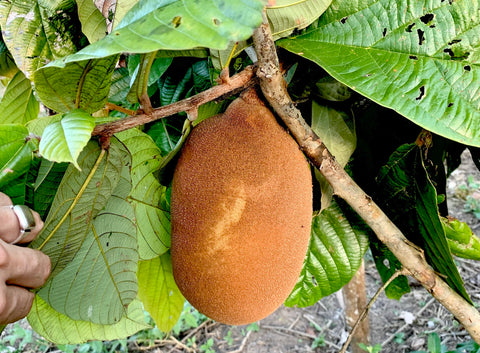
Theobroma bicolor, Theobroma grandiflora and Theobroma cacao L.
Theobroma grandiflorum, a member of the Theobroma genus.
Theobroma grandiflorum belongs to the Malvaceae family and is closely related to the cocoa tree (Theobroma cacao) and the majambo (Theobroma bicolor). To help you distinguish between the three trees on your next walk in the Amazon rainforest, here are some signs that will help you!
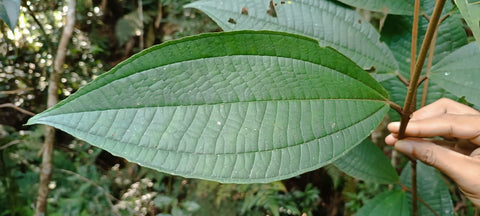
- The tree: The cupuaçu is a medium-sized tree that can reach up to 20 meters in height. Its leaves are oval, bright green, and form a dense, bushy crown, unlike cocoa.
- The Flower: The cupuaçu flowers are large and cream to pale yellow, making them particularly attractive. They are clustered in cushions on the tree trunk (cauliflorous).
- Fruit: The fruit of Theobroma grandiflorum is ovoid and can reach a size of 20 to 25 cm. Its skin is thick, rough with a hairy down, and brown. Inside, it contains a creamy-white pulp surrounding numerous round seeds, larger than cocoa beans.
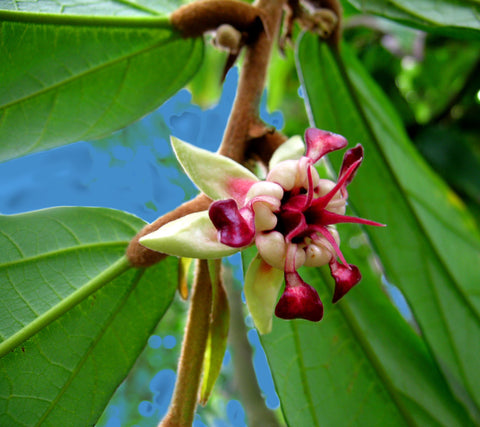
Flower of Theobroma grandiflorum, Amazonian cocoa tree
The definition of tropical taste
Theobroma grandiflorum is primarily prized for the exceptional flavor of its pulp. Its seeds are often little exploited because they are protected by a hard film and are difficult to extract without much effort:
1. Flavor: The pulp of cupuaçu is tangy, reminiscent of tropical fruits such as pineapple, jackfruit, and melon. It is often described as creamy and sweet with a hint of acidity.
2. Culinary uses: Cupuaçu seeds are used to prepare various products, including drinks, jams, sorbets, desserts, sauces, and even chocolate. The pulp is often processed into juice or paste for various culinary preparations. In Brazil, it often accompanies açaí puree in sorbets.
3. Traditional drinks: In Brazil, cupuaçu is frequently used to create a delicious drink called "cupuaçuino," a mixture of cupuaçu and cold milk.
4. Nutritional value: Cupuaçu is rich in essential nutrients, such as vitamins C and B, as well as antioxidants, making it a beneficial food for health.
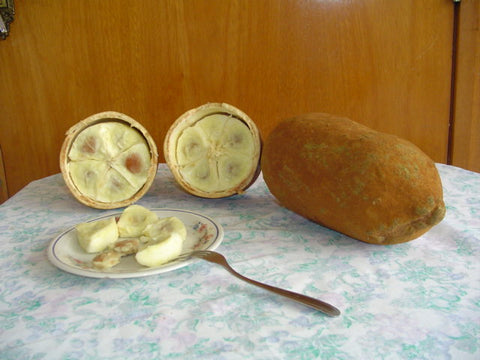
Theobroma grandiflorum, or cupuaçu, is an emblematic plant of the Amazon that combines fascinating botanical characteristics with an unforgettable exotic flavor. By combining a distinctive appearance with creamy, sweet, and tangy flavors, cupuaçu is becoming a product that attracts many artisanal Bean to Bar chocolatiers who experiment with new blends between Theobroma cacao and grandiflorum.


Comments