
- Beans: wild Amazonian cocoa
- Cocoa producers: indigenous communities
- Origin: banks of the Tocantins River, near the city of Mocajuba, in the state of Pará, Brazil
- Roasting and conching: unknown
- Harvest: unknown
- Percentage: 70% or 81%

Tasting notes for Rio Tocantins chocolate
The walnut husk color has discreet shimmering accents. Well-chocolaty, the nose suggests a fruity freshness. The snap is resonant, almost crisp, as is the crunch. In the mouth, the cocoa notes set the tone, but are quickly followed by a parade of sensations: woody notes, multiple nuts, and caramel. Almost rough, without being unpleasant, the texture contrasts everything in a refined way. Subtle and surprisingly long-lasting, the finish distills notes of abate pear and makes your mouth water. An incomparable experience, which makes you want to start over.


The little extra: Melt a piece of this chocolate and add a small piece of very ripe abate pear. Let the magic of an autumnal gourmet encounter happen.
Wild chocolate, Luisa Abram's trademark
Luisa Abram's chocolates are characterized by being made from unique cocoas, sourced from indigenous Amazonian communities. This way of obtaining cocoa gives the different bars names of Brazilian waterways. Indeed, with a forest area equivalent to that of the European Union, river navigation routes are important arteries for accessing Brazil's rare cocoa resources. In addition to Luisa Abram's Rio Tocantins, you can, for example, taste the wild cocoas of the Rio Puru and Rio Juruá.
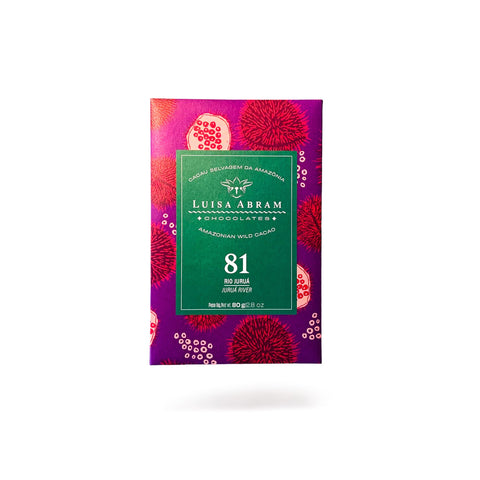
Exceptional beans are Luisa Abram's trademark. Her collaborations with local communities ensure quality production once these cocoas are harvested. That's why she also strives to convey the best of these products in her bars. An approach through which she has acquired unique know-how in terms of processing. Her delicate style testifies to her talent.

The sommelier's note (Nicolas) Brilliant, Luisa Abram's work is always amazing. However, the lack of more information about the work she does with the beans and not knowing the harvest creates a certain frustration. Not that she's hiding anything, but simply to be able to compare her bars more precisely. The fact remains that, given the choice, I prefer a roaster who highlights their cocoa producers rather than their own work.
Find the original article on Nicolas's delightful blog.


Comments